
Building a custom home is one of the most personal and financially significant decisions a family makes, and the excitement of choosing a lot, working with a designer, and planning the finished product is genuine and well-earned. What is easy to overlook in that excitement is everything that needs to happen to the land before any of the visible construction begins. The condition of the soil, the way water moves across and through the site, the accuracy of the initial grading work, and the placement of utility connections all shape how the home performs for decades after the last contractor has left. For families planning custom home sites reno builders and lot owners can develop with confidence, understanding what the ground-level preparation involves is one of the most valuable things you can do before a shovel breaks ground.
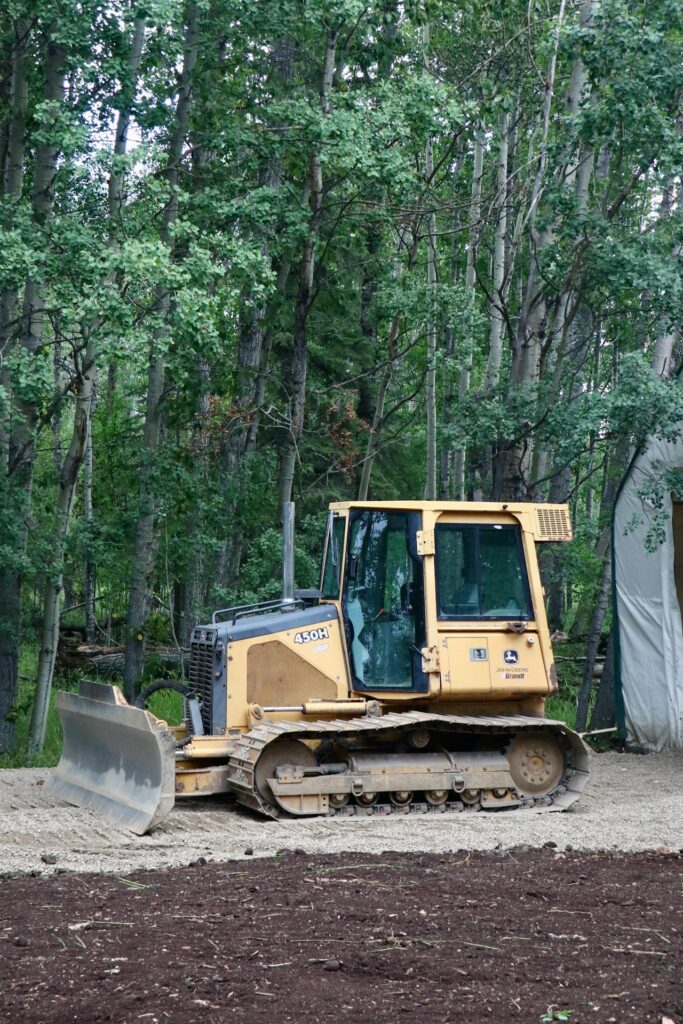
Grading establishes the finished elevations of a site: where the home sits relative to the surrounding land, how the driveway approaches from the street, and how the yard slopes away from the foundation in every direction. Getting those elevations right is not simply a matter of making the site look level. Proper grade positions the foundation at the correct height relative to drainage patterns and establishes slopes around the structure that direct surface water away from the building rather than toward it. A foundation that sits even slightly too low, or that has inadequate slope on one or more sides, will face ongoing moisture pressure that eventually works its way into crawl spaces, basements, and slab edges regardless of how well the foundation itself was constructed.
VersaGrade performs detailed in-house earthwork analysis for custom home sites reno owners and builders use to plan grading operations before work begins. That analysis includes three-dimensional graphics that give owners and builders a visual representation of what the grading plan will produce, which is a meaningful advantage over simply approving a set of engineering drawings without a clear picture of how those numbers translate into actual site conditions. Being able to see the finished grade in three dimensions before excavation starts allows families and their builders to identify concerns, ask the right questions, and make adjustments while changes are still inexpensive and easy to implement. VersaGrade's Auto Grade Laser Control Systems then execute that plan with tight tolerances, ensuring the finished site matches the design intent rather than drifting from it through the accumulation of small field approximations.
Final grading around a custom home also includes the drainage swales, berms, and ditches that direct surface water through the site in a controlled way. On Northern Nevada lots where spring snowmelt and occasional intense summer storms move water quickly across the land, those drainage features are not decorative. They are functional infrastructure that prevents erosion, protects landscaping, and keeps water from pooling against the structure during high-rainfall periods. VersaGrade designs and builds these drainage elements as part of the final grading scope, ensuring that the site's water management system performs as designed from the first rain after construction is complete.
Active construction sites lose soil to erosion at a rate that is significantly higher than established, vegetated land, and failing to manage that erosion creates problems both on your property and for neighboring properties and drainage systems. Silt fencing, erosion barriers, straw wattles, and other SWPPP compliance measures are standard parts of a professionally managed site preparation project, and VersaGrade incorporates those controls as part of how it runs every job site. Beyond protecting adjacent properties and waterways, erosion control during construction also protects the grade work that has already been completed, preventing rainfall and runoff from undoing the precision that was achieved during grading operations.
On hillside custom home sites reno offers in many of its most desirable residential areas, erosion risk is higher and the consequences of inadequate erosion control are more severe. Slopes that shed material during construction can undermine adjacent areas, deposit sediment in storm drain inlets, and create regulatory compliance problems with the regional stormwater management agencies that oversee construction activity in Washoe County. Contractors who approach erosion control as a compliance formality rather than a legitimate site management discipline create risk for their clients that shows up in inspections, fines, and remediation costs that fall on the property owner. VersaGrade includes erosion control planning and implementation as an integrated part of the sitework scope rather than a separate afterthought.
Retaining wall preparation is another element of site management that custom home lots on sloped terrain often require. Where grade changes between adjacent areas are too steep for a natural slope to hold, rockery walls and retaining structures provide the structural support that keeps soil in place and defines usable areas of the lot. VersaGrade prepares these features as part of the broader grading and drainage scope, ensuring that retaining walls are positioned where the grading plan requires them and that the areas they support are properly prepared for their intended use. Building those elements into the site preparation plan from the beginning is more efficient and more accurate than adding them as corrections after grading has been completed without accounting for the need.
Permit requirements for grading and site preparation work in Washoe County are specific, and understanding them before you start a custom home project helps you avoid the delays that come from discovering regulatory requirements after work has already begun. In Washoe County, a grading permit is required for projects involving more than 50 cubic yards of soil disturbance or affecting more than 10,000 square feet of land, thresholds that most custom home lots easily exceed when full site preparation is factored in. Obtaining that permit requires submitting a grading plan prepared to the county's specifications, and the review and approval process takes time that needs to be built into the project schedule rather than assumed away. Beginning construction without the required permits creates a much more disruptive problem when the county issues a stop-work order and requires remediation before allowing work to continue.
VersaGrade's familiarity with Washoe County's grading permit requirements and submission standards means the documentation process goes more smoothly than it does for contractors who encounter these requirements infrequently. The company's history of working with residential builders on permitted lot development throughout the Reno and Sparks area has produced a working knowledge of what reviewers look for and how to prepare submissions that move through the process efficiently. For custom home owners who are managing design, financing, builder selection, and lot preparation simultaneously, having a sitework contractor who handles the permit coordination competently removes one significant variable from an already complex process. That kind of reliable, detail-oriented project management reflects VersaGrade's broader approach to client service.
Local regulations also touch on drainage design, utility connection requirements, and SWPPP implementation, all of which have specific standards that the site preparation contractor needs to understand and satisfy. VersaGrade monitors developments in stormwater control requirements, pipe specifications, and soil engineering standards to ensure that the methods and materials it uses on custom home sites reno buyers develop remain consistent with current regulatory expectations. That progressive approach to staying current with evolving requirements protects clients from completing site preparation work that meets yesterday's standards but fails inspection under today's rules. Building code familiarity is not a background skill for VersaGrade; it is an active part of how the company manages its projects and serves its clients.
Utility installation on a custom home site needs to happen in the right sequence relative to grading operations, and getting that sequencing wrong creates exactly the kind of expensive rework that careful pre-construction planning is designed to prevent. Final grades need to be established before utility trenching begins for certain scopes so that trench depths, cover requirements, and service entry elevations all reflect the finished site elevation rather than an intermediate construction grade that will change before the home is complete. Installing utilities to the wrong elevation and then discovering that the final grade requires adjustments means either regrading around installed infrastructure or relocating utility lines that have already been backfilled and compacted. Neither outcome is inexpensive or schedule-neutral.
VersaGrade manages utility coordination as part of the integrated sitework scope for custom homesites, handling electrical, sewer, natural gas, and water service connections in the proper sequence relative to grading and earthwork operations. The company is also a qualified gas backfill contractor, with gas line installations performed in coordination with the governing utility company rather than treated as a separate process outside the contractor's scope. For families building on lots where septic systems are required in place of municipal sewer connections, VersaGrade also handles standard and engineered septic system installation as part of the homesite preparation scope. Having those utility services coordinated through a single experienced contractor reduces the handoff confusion and scheduling conflicts that arise when utility installation is fragmented across multiple separate contractors who are not actively coordinating with each other.
Street work for utility tie-ins is another element of custom lot development that VersaGrade handles where the connection points between the lot and municipal infrastructure require work in the right-of-way. These connections need to meet local utility company specifications and pass inspection before service is established, and a contractor familiar with those requirements moves through the process more smoothly than one encountering them for the first time. For families eager to see their custom home project progress, delays in utility connection can hold up the entire construction schedule, making the competence of the site preparation contractor's utility work directly relevant to how quickly the project advances. Reach out to VersaGrade or visit the website to discuss your custom homesite project and start your build from the strongest possible foundation.
Choosing an excavation contractor is not a decision most property owners make often, which means the stakes feel higher when the moment arrives. A lot of what makes a site succeed or struggle starts underground and in the early weeks of preparation, long before any vertical construction begins. The contractor you hire to handle that foundational work shapes everything that follows, and hiring someone without the right combination of local knowledge, proper equipment, and a verifiable track record creates risks that are difficult and expensive to undo. If you are looking for an excavation company reno property owners can rely on for serious site work, understanding what separates a capable contractor from the rest is the most useful place to start.
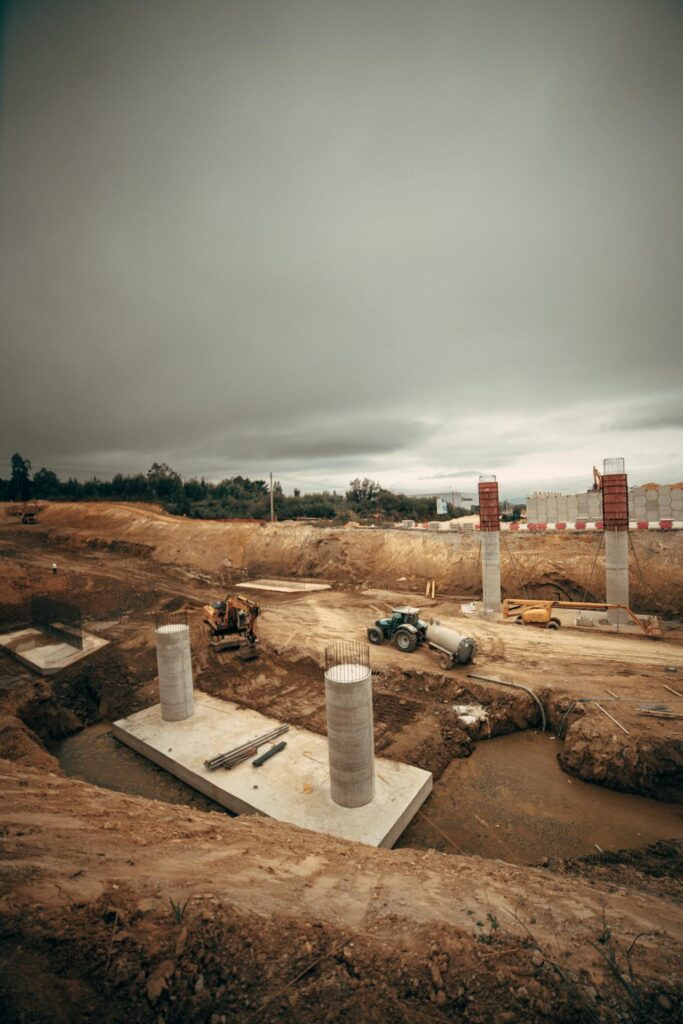
Northern Nevada's terrain varies considerably from one parcel to the next, and an excavation contractor who treats every site like a generic earthmoving job will run into problems that a locally experienced operator anticipates and avoids. The Reno region includes expansive clay soils in some valley floors, rocky decomposed granite on hillside sites, and variable fill conditions on properties that have been partially developed or graded in the past. Each of these conditions requires a different approach to excavation, compaction, and subgrade preparation, and getting those decisions wrong at the start creates problems that surface later in the form of settling foundations, drainage failures, and utility damage. An excavation company reno contractors worth hiring have the regional soil knowledge to evaluate each site before work begins and adapt their approach accordingly.
VersaGrade has operated in the Northern Nevada market for decades, building the site-specific knowledge that comes from working across a wide range of residential, commercial, and public works projects throughout the region. That experience base means the VersaGrade team recognizes soil conditions, drainage patterns, and site constraints that are particular to Reno and Sparks rather than making assumptions drawn from work in other markets. Their client list includes major residential builders like Toll Brothers, Lennar, D.R. Horton, and Ryder Homes, which reflects the level of confidence that experienced builders place in VersaGrade's ability to deliver correct, consistent results across varying site conditions. For property owners and contractors beginning a new project, that track record with demanding regional clients speaks clearly to the depth of expertise available.
Local knowledge also extends to understanding how weather patterns affect project timing and site conditions in Reno. High desert freeze-thaw cycles, spring runoff from the Sierra Nevada, and the intense but infrequent rain events that can arrive suddenly all influence how excavation and grading work is planned and sequenced throughout the year. A contractor who has navigated those seasonal variables consistently is better positioned to give you realistic timelines and build contingencies into the project plan that account for conditions specific to Northern Nevada. Choosing a locally rooted excavation company reno property owners can reach directly also means faster communication when questions or changes arise during the project.
The quality of excavation work depends heavily on what equipment a contractor brings to the job, and the gap between standard grading equipment and precision-guided systems shows up clearly in the finished product. VersaGrade uses Auto Grade Laser Control Systems on their grading equipment, which delivers accurate results within tight tolerances that manual grading simply cannot achieve as consistently. That precision matters most when establishing drainage slopes, preparing subgrades for concrete or asphalt, and setting final grades around foundations where even small deviations create long-term water management problems. Contractors who rely on operator eye alone for grade work introduce variability that creates rework, drainage failures, and subgrade instability down the line.
For utility work, the equipment a contractor operates determines both safety and precision. Vacuum excavators allow crews to expose existing underground utilities, including buried electrical lines, gas mains, water supply pipes, and sewer laterals, without the risk of accidental damage that mechanical excavation near those lines creates. That capability is essential in areas where utility infrastructure is already in place and service interruptions or line strikes would be both dangerous and costly. VersaGrade's approach to underground utility work includes qualified gas backfill installation and experience across electrical, fiber optic, sewer, and natural gas scopes, giving clients comprehensive utility service capability through a single contractor relationship.
Modern project planning tools also contribute to how accurately a contractor can estimate, sequence, and complete a complex excavation job. Earthwork analysis software, CPM scheduling systems, and project cost tracking tools allow the VersaGrade team to identify coordination conflicts early, maintain budget visibility throughout the project, and make real-time adjustments when field conditions require a change in approach. For clients managing construction timelines and budgets across multiple contractors and trades, working with an excavation company that uses these planning tools reduces the uncertainty that comes from contractors who operate primarily on experience and gut instinct. Precision in planning and precision in execution both contribute to how well a project finishes.
Excavation consistently ranks among the most hazardous activities in the construction industry, and the safety culture a contractor operates under affects everyone connected to the project. OSHA standards for excavation and trenching work exist for good reason: collapses, cave-ins, and utility strikes cause serious injuries and fatalities, and they also create project delays, liability exposure, and financial consequences that fall on the property owner as much as on the contractor when proper protocols are not followed. Verifying that an excavation company reno projects depend on maintains current OSHA compliance training, enforces proper shoring and safety protocols on every trench, and documents their safety practices is a basic step that serious clients should not skip.
VersaGrade treats safety training and procedures as a top operational priority rather than a regulatory checkbox. The company identifies itself directly as a trusted excavating contractor whose safety commitment is foundational to how it operates, not incidental to the production focus. That culture is built into how crew members are trained, how job sites are set up, and how supervisors manage the day-to-day risk management that excavation work requires. Clients working with VersaGrade benefit from that safety commitment in the form of project continuity, because a job site that operates without safety shortcuts is a job site that avoids the stoppages, investigations, and liability events that follow from incidents.
Licensing, bonding, and insurance verification protect the client's financial position throughout the project and are non-negotiable qualifications for any serious excavation contractor. VersaGrade holds Nevada License 72539 and operates as a properly bonded and insured contractor, which gives clients the documented protection they need before any project begins. Contractors who cannot verify current licensing in Nevada, or who operate without adequate insurance coverage, put the property owner at risk for liability that should belong to the contractor. Confirming those credentials before signing any agreement is a straightforward step that prevents the kind of legal and financial complications that arise when an unlicensed or underinsured contractor causes damage or an injury on your property.
Reviewing a contractor's completed project history gives you the most direct evidence available about how they will perform on your job. Client references, a portfolio of completed work, and the names of builders and developers who return to the same contractor across multiple projects all speak to how reliably a company delivers on its commitments. VersaGrade's long-standing relationships with major residential builders in the Reno market, including Artisan Communities, Jenuane Communities, CE Builders, and several national builders, reflect a track record that has been tested and reconfirmed across a wide variety of project types and site conditions.
That volume of completed work also means VersaGrade has encountered and navigated the full range of complications that excavation projects in Northern Nevada can present. Unexpected subsurface conditions, permit delays, utility conflicts, and drainage challenges that catch less experienced contractors off guard are situations the VersaGrade team has worked through before. Experience with those variables produces better field judgment, more realistic project timelines, and a calmer, more methodical response when something unexpected comes up mid-project. For property owners and project managers who have seen what happens when a contractor has no contingency thinking, that composure under pressure has real value.
The team at VersaGrade also brings a commitment that runs throughout all of their work: completing high-quality projects on time with integrity. That operating principle has sustained the company through multiple market cycles and across a client base that spans residential developers, commercial contractors, and public agencies. Choosing a contractor whose reputation is built on consistent delivery rather than lowest-bid positioning gives you a more reliable foundation for a successful project outcome. Call VersaGrade or visit VersaGrade to discuss your site work needs and take the first step toward a well-prepared project.