
Every project starts the same way: with dirt. Before a structure goes up, before utilities go live, before paving crews arrive, the site has to be prepared correctly, and how well that preparation is done determines how the rest of the project behaves. For construction managers and developers who have seen what happens when sitework is underestimated or poorly coordinated, finding a reliable civil construction company Reno projects can depend on is not a nice-to-have. It is a prerequisite for keeping schedules, protecting budgets, and delivering finished work that holds up under regulatory scrutiny. This article examines what integrated civil sitework actually involves and why the right contractor makes a measurable difference across every phase of a project.
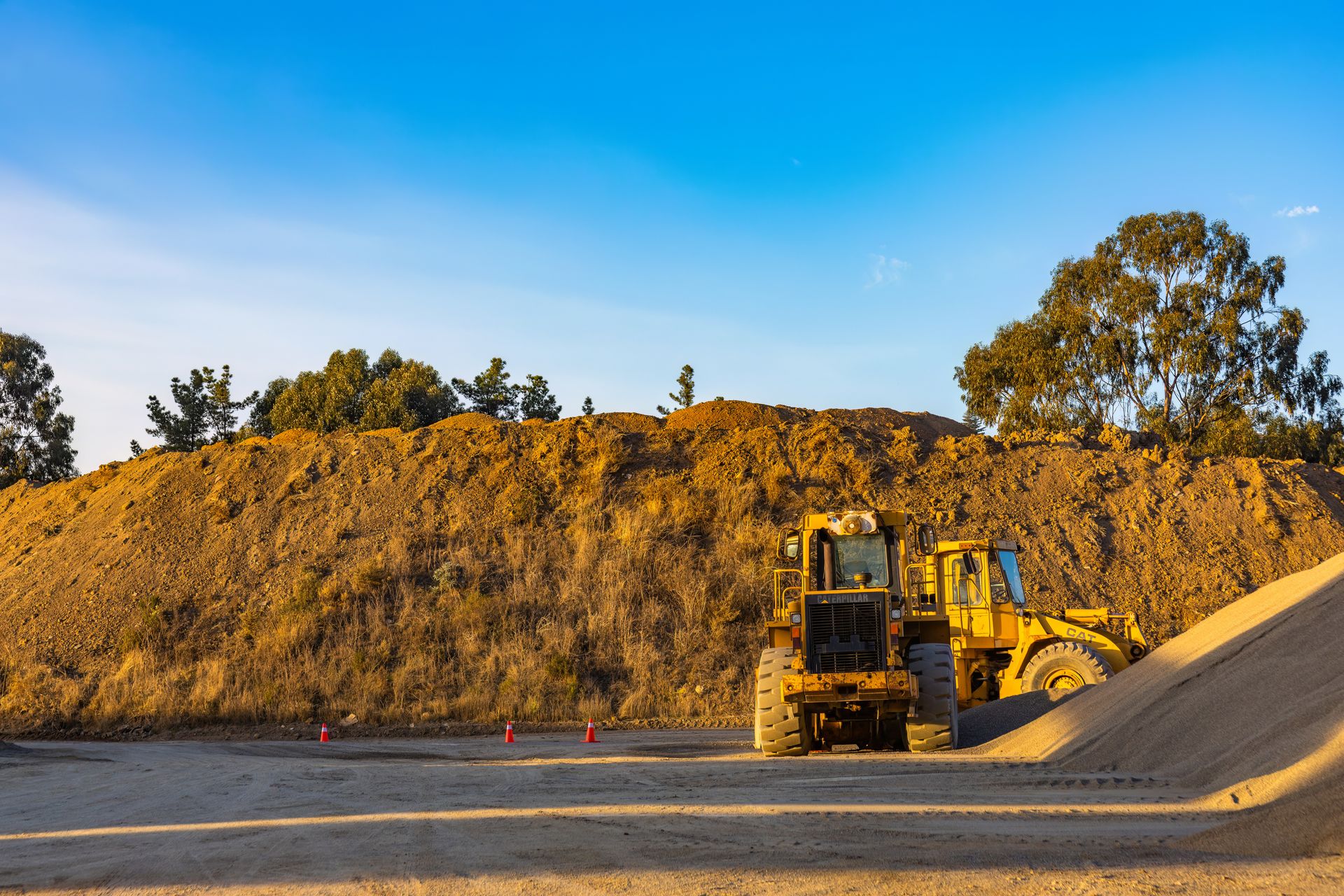
Sitework is not a single task; it is a coordinated sequence of scopes that need to be planned, phased, and executed in a specific order to achieve the surface and subsurface conditions the project requires. Earthwork and heavy equipment excavation establish the rough grade and remove material to the depths required for footings, utility trenches, and drainage infrastructure. Underground utility installation follows the earthwork phase, with trenching and bedding completed for sewer, water, gas, electrical, and fiber optic systems before backfill operations close those trenches and allow the surface grade work to proceed. Drainage infrastructure, including detention basins, storm drain systems, swales, and SWPPP compliance measures, gets integrated into both the rough and final grading operations to ensure that water moves through and off the site as the design intends.
VersaGrade performs sitework services across residential, commercial, industrial, and public works projects throughout the Reno and Sparks market, with a fleet of equipment and an experienced field team capable of handling projects that range from large tract subdivision development to individual commercial pad sites. The civil construction company Reno builders and developers rely on for this scope of work needs to manage all of these phases as a connected whole rather than treating each element as a separate contract. VersaGrade's approach emphasizes collaboration with the broader project team from the earliest planning stages, which allows conflicts between grading design, utility routing, and drainage to be identified and resolved before they create field problems. That coordination capacity is one of the primary reasons the company's client base includes returning customers who have worked with them across multiple projects.
Paving preparation is another critical deliverable within the civil sitework scope, as the subgrade conditions established during grading operations directly determine how asphalt and concrete surfaces perform over time. Aggregate base placement, compaction testing, and final grade verification all happen before paving crews arrive, and the accuracy of that preparation affects both the structural integrity of the finished surface and its ability to drain properly. VersaGrade uses Auto Grade Laser Control Systems on their grading equipment to achieve tight tolerances across large finished areas, which reduces the variability that leads to drainage pooling, pavement cracking, and long-term maintenance issues on commercial and public works paving projects. That precision at the subgrade level is one of the clearest technical differentiators between contractors who invest in advanced grading technology and those who do not.
A civil construction company is only as capable as the experience and judgment behind its leadership, and VersaGrade's foundation reflects a depth of background that reaches well beyond typical regional sitework contractors. Bob Fehling founded the company after graduating with a Construction Engineering degree from California State University, Chico in 1986, then spending a decade working on large-scale public works projects across the United States. Earthen dams, bridges, interstates, and tunnels were among the project types that shaped his understanding of how complex civil infrastructure is designed, sequenced, and executed at scale. That experience base is not common among local excavation and sitework contractors, and it informs how VersaGrade approaches planning, problem-solving, and technical execution on every project they take on.
Bob's career progression also included work in deep foundation systems and slope stabilization before he joined and ultimately purchased Silverado Excavating in the early 2000s, which eventually became VersaGrade. That transition from heavy civil work on massive public infrastructure to regional sitework and excavation gave him a comprehensive understanding of how projects behave from the ground up, literally and figuratively. The engineering discipline he applied on large federal and state projects carried directly into how VersaGrade develops project plans, evaluates site conditions, and coordinates the technical execution of its sitework scope. For clients who want a civil construction company Reno can trust with complex or schedule-critical projects, understanding the caliber of leadership behind the work matters.
That engineering mindset shows up in specific operational practices that distinguish VersaGrade from contractors who approach sitework as a production-only business. Earthwork analysis software, CPM scheduling, and project cost control systems are all part of how VersaGrade manages its projects, enabling proactive conflict identification, accurate phasing, and real-time budget tracking throughout the job. Detailed in-house earthwork analysis provides builders and owners with a visual representation of grading operations before field work begins, which supports better decision-making and reduces the number of field changes that drive cost and schedule overruns. Those capabilities reflect the engineering-grade project management approach that Bob Fehling built into the company from its earliest days.
Excavation and sitework rank among the highest-risk construction activities under OSHA's incident data, and the companies that manage that risk best are those that treat safety as a core operational discipline rather than a compliance requirement layered on top of the production work. VersaGrade states directly that safety training and procedures are a top priority for the company, and that commitment shows up in how job sites are established, how crews are trained, and how field supervisors manage the day-to-day risk environment in excavation and trenching operations. Proper shoring, trench box deployment, soil classification, and utility locating protocols all factor into how safe excavation work is conducted, and a contractor who cuts corners on any of these elements introduces risk that affects the entire project team.
For project managers and construction managers who carry safety responsibility for their sites, the contractor's safety culture is a legitimate qualification criterion alongside licensing, bonding, and experience. A civil construction company that runs a disciplined safety operation reduces the likelihood of incidents that trigger stop-work orders, regulatory investigations, and insurance claims that derail schedules and budgets. VersaGrade's safety focus is built into how the company hires, how it trains, and how it operates in the field, which gives clients a partner whose safety practices reinforce rather than undermine the project's overall risk management approach. OSHA compliance, drug-free workplace policies, and documented safety training are all part of how VersaGrade operates as a civil construction company Reno project teams can integrate into their sites with confidence.
The company's longevity and volume of returning clients also reflect the absence of the kind of safety incidents and performance failures that quietly exit contractors from the market over time. Projects with repeat clients are the most honest performance indicator available in the construction industry, because builders and developers who have experienced a contractor's safety culture, communication practices, and field execution firsthand return only when those experiences consistently met or exceeded their expectations. VersaGrade's client relationships with major residential and commercial builders represent exactly that kind of earned trust, built over years of consistent delivery on complex sitework projects throughout Northern Nevada.
The gap between conventional grading and laser-controlled precision grading shows up in several measurable ways: accuracy of finished surfaces, reduction in rework, adherence to drainage design intent, and compliance with the tight tolerances that subgrade specifications require for pavement and flatwork. VersaGrade's use of Auto Grade Laser Control Systems on their grading equipment places them in a category of contractor that can reliably deliver the accuracy that engineered grading plans require, rather than approximating finished grades through operator skill alone. For projects where drainage slope tolerances are specified in fractions of a percent, that level of precision is not a luxury. It is a technical requirement that the contractor either meets or doesn't, and the consequences of not meeting it show up in pavement performance and water management over the life of the project.
VersaGrade also applies computerized earthwork analysis tools that produce three-dimensional graphics giving owners and builders a visual representation of grading operations before work begins. That capability supports more informed decision-making during the planning phase and helps identify earthwork balance issues, cut-and-fill optimization opportunities, and grade transitions that create drainage conflicts before they become field problems. For construction managers coordinating multiple trades on a complex site, having that pre-construction visibility into the sitework phase reduces the number of reactive decisions that generate change orders and delay downstream trades. The investment VersaGrade has made in these planning and execution technologies reflects a commitment to operational precision that directly benefits the projects they work on.
Progressive adoption of construction technology is also part of how VersaGrade maintains its technical edge as site work practices and products continue to evolve. Storm water control, pipe manufacturing developments, and soil engineering advances are among the areas the company actively monitors to ensure that its methods and materials reflect current best practices rather than defaulting to approaches that have not kept pace with industry development. That forward-looking stance on technology and methods is one of the reasons VersaGrade continues to attract demanding clients who need a civil construction partner that can execute at the level their projects require. Contact VersaGrade by phone or visit Versa Grade to discuss your upcoming civil construction project and what a capable sitework partnership looks like from the ground up.